Understanding Macular Degeneration and Protecting Your Sight

September is Healthy Aging Month, a time dedicated to encouraging adults to take proactive steps toward maintaining their health and independence as they age. While many people focus on heart health, mobility, and nutrition, vision health is equally important. One of the leading causes of vision loss among older adults is age-related macular degeneration (AMD).
At C Lane Eye Associates, we believe that education and early detection are key to preserving vision. Understanding macular degeneration and scheduling regular comprehensive eye exams can help protect your eyesight for years to come.
What Is Macular Degeneration?
Age-related macular degeneration is an eye disease that affects the macula, the central portion of the retina responsible for sharp, detailed vision. The macula allows us to perform everyday tasks such as:
- Reading
- Driving
- Recognizing faces
- Watching television
- Using digital devices
When the macula becomes damaged, central vision can gradually decline, making these activities more difficult.
AMD typically affects individuals over the age of 50 and becomes more common as people age.
Types of Macular Degeneration:
Dry Macular Degeneration
Dry AMD is the most common form, accounting for approximately 80-90% of cases. It occurs when small deposits called drusen accumulate beneath the retina, causing gradual thinning of macular tissue.
Symptoms may develop slowly and include:
- Blurred central vision
- Difficulty reading
- Reduced contrast sensitivity
- Need for brighter lighting
Wet Macular Degeneration
Wet AMD is less common but more serious. It develops when abnormal blood vessels grow beneath the retina and leak fluid or blood.
Symptoms can appear suddenly and may include:
- Distorted vision
- Straight lines appearing wavy
- Dark or blank spots in central vision
- Rapid vision loss
Because wet AMD can progress quickly, prompt diagnosis and treatment are essential.
Who Is at Risk?
Several factors increase the likelihood of developing macular degeneration:
Age
The risk rises significantly after age 50.
Family History
Genetics can play a role in determining susceptibility.
Smoking
Smoking is one of the most significant modifiable risk factors for AMD.
Cardiovascular Disease
High blood pressure and cholesterol may increase risk.
Excessive UV Exposure
Long-term exposure to ultraviolet light may contribute to retinal damage.
Poor Diet
Diets low in fruits, vegetables, and omega-3 fatty acids may impact retinal health.
Warning Signs You Should Never Ignore:
Many patients are surprised to learn that early AMD may have few noticeable symptoms. As the disease progresses, signs may include:
- Blurred or fuzzy central vision
- Difficulty recognizing faces
- Colors appearing less vibrant
- Increased need for brighter lighting
- Distorted or wavy lines
- Dark spots in the center of vision
If you notice any of these changes, schedule an eye examination as soon as possible.
Can Macular Degeneration Be Prevented?
While AMD cannot always be prevented, healthy lifestyle choices can help reduce risk and support long-term eye health.
Eat a Nutrient-Rich Diet
Focus on foods rich in:
- Leafy green vegetables
- Colorful fruits and vegetables
- Fish high in omega-3 fatty acids
- Nuts and seeds
These nutrients support retinal health and overall wellness.
Stop Smoking
Smoking significantly increases the risk of developing AMD and accelerates disease progression.
Protect Your Eyes from UV Rays
Wear high-quality sunglasses that block 100% of UVA and UVB rays whenever you're outdoors.
Manage Chronic Health Conditions
Maintaining healthy blood pressure, cholesterol, and blood sugar levels can benefit both your vision and overall health.
Stay Physically Active
Regular exercise supports circulation throughout the body, including the eyes.
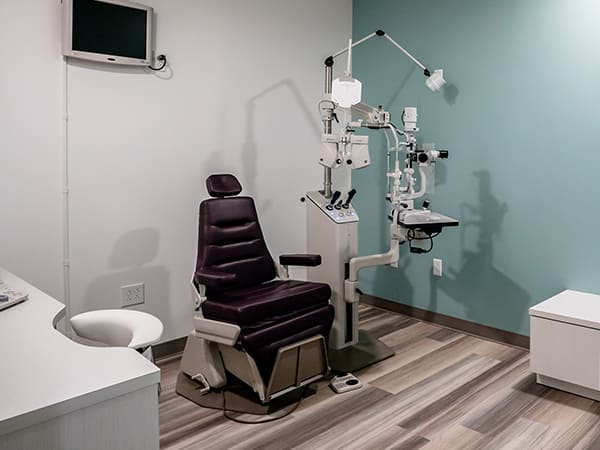
One of the most effective ways to protect your vision is through routine comprehensive eye examinations. During an eye exam, your doctor can evaluate the retina and macula for early signs of disease before noticeable symptoms occur. Early detection allows for monitoring, lifestyle recommendations, and treatment when necessary.
The BrightFocus Foundation and American Academy of Opthalmology are excellent resources on the topic of AMD.
Frequently Asked Questions:
Can macular degeneration cause complete blindness?
AMD primarily affects central vision. While it can significantly impact activities such as reading and driving, it does not typically cause total blindness because peripheral vision is usually preserved.
Is macular degeneration hereditary?
Genetics can increase your risk. If a close family member has AMD, inform your eye doctor during your examination.
Can nutrition help protect my eyesight?
A balanced diet rich in antioxidants, leafy greens, and omega-3 fatty acids may support retinal health and reduce risk factors associated with AMD.
Healthy Aging Month is a reminder that protecting your vision is an essential part of maintaining independence, safety, and quality of life. While age-related macular degeneration is a common concern among older adults, early detection and healthy lifestyle habits can make a significant difference.
At C Lane Eye Associates, we are committed to helping patients preserve their vision through comprehensive eye care, advanced diagnostic technology, and personalized treatment recommendations.
Call our office in Lexington, KY to schedule your comprehensive eye exam today and take an important step toward healthy aging and lifelong vision wellness.
MAP


CONTACT INFORMATION
HOURS OF OPERATION
Monday 9:00am - 5:30pm
Tuesday 9:00am - 5:30pm
Wednesday 9:00am - 5:30pm
Thursday 9:00am - 5:30pm
Friday 9:00am - 3:00pm
Saturday Closed
Sunday Closed
Powered by: