Diabetes and Eye Health
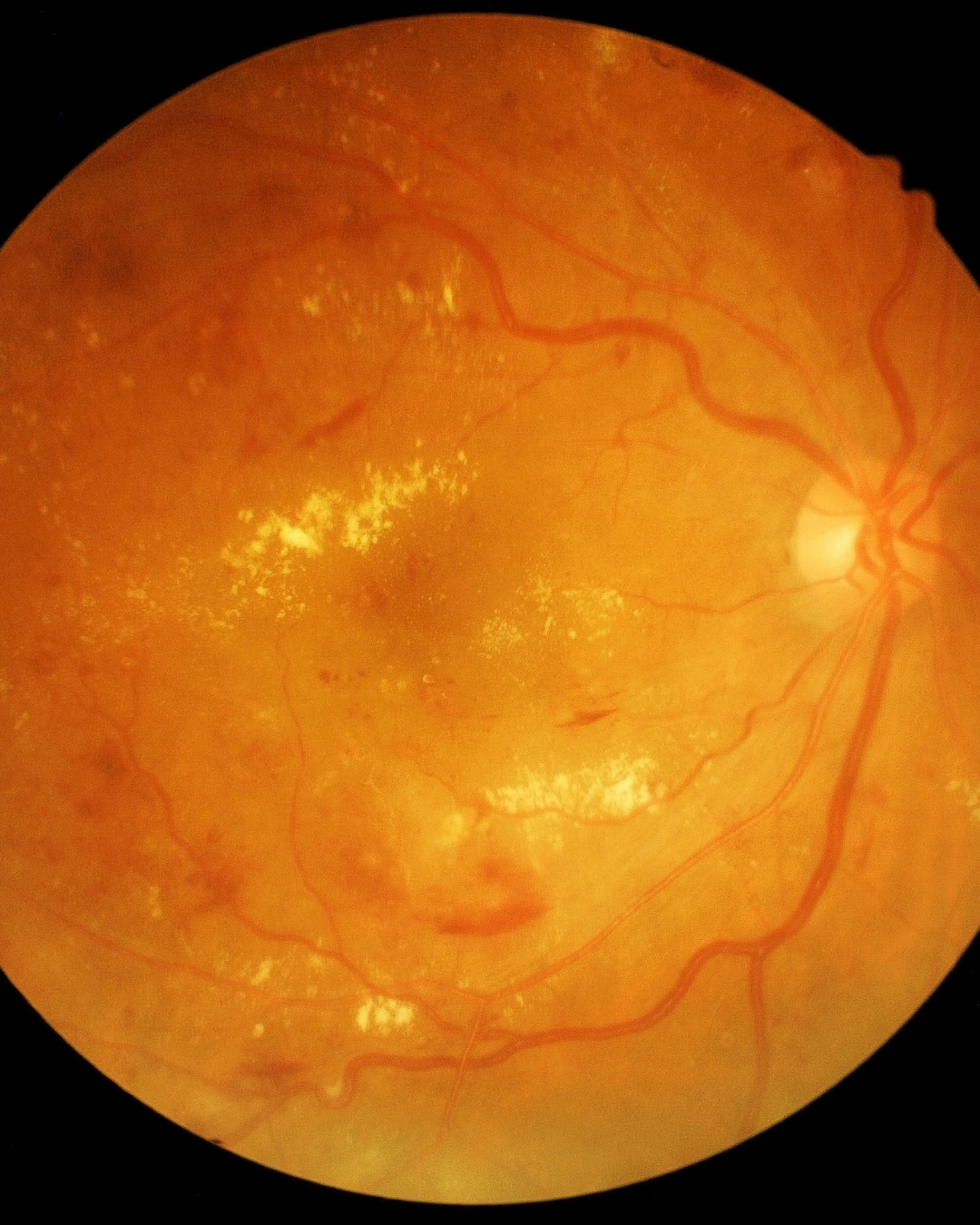
November is Diabetes Awareness Month, making it an important time to talk about the connection between diabetes and eye health.
Diabetes can affect the small blood vessels throughout the body, including the blood vessels that supply the retina. Over time, these changes can lead to diabetic retinopathy, diabetic macular edema, cataracts, glaucoma, and other vision-threatening conditions. Regular comprehensive eye exams can help detect diabetic eye disease early even before you notice any changes in your vision.
At C Lane Eye Associates, your eye doctors in Lexington, KY, Dr. Kari Carpenter and Dr. Allyson Lane provide personalized eye care focused on both clear vision and long-term eye health.
How Does Diabetes Affect Your Eyes?
When blood sugar remains elevated over time, it can damage the tiny blood vessels in the retina. Because these changes can occur gradually, a person may have diabetic eye disease without experiencing noticeable symptoms.
Diabetes can increase your risk of:
- Diabetic retinopathy
- Diabetic macular edema (DME)
- Cataracts
- Glaucoma
- Changes in vision related to blood sugar fluctuations
This is why seeing an eye doctor in Lexington, KY regularly is an important part of managing your overall health when you have diabetes.
What Is Diabetic Retinopathy?
Diabetic retinopathy is a diabetes-related condition that damages the blood vessels of the retina. In its early stages, diabetic retinopathy may not cause noticeable symptoms. As the disease progresses, abnormal or damaged blood vessels can leak fluid or blood into the retina and affect vision. In more advanced cases, diabetic retinopathy can result in significant vision loss.
A comprehensive diabetic eye examination allows your doctor to monitor the health of your retina and identify changes that may require additional care or referral to a retinal specialist.
What Is Diabetic Macular Edema?
The macula is the central portion of the retina responsible for detailed, straight-ahead vision. Diabetes can cause damaged retinal blood vessels to leak fluid into the macula. This condition is called diabetic macular edema.
DME can cause:
- Blurred central vision
- Distorted vision
- Difficulty reading
- Difficulty recognizing faces
- Changes in color perception
- Vision loss
Because diabetic macular edema may develop before noticeable symptoms occur, regular retinal evaluations are important for people with diabetes.
Do I Need a Diabetic Eye Exam if I See Clearly?
Yes. You can have diabetic retinopathy or other retinal changes without noticing a change in your vision. A diabetic eye examination allows your eye doctor to evaluate the retina and look for early signs of disease.
At C Lane Eye Associates, Dr. Carpenter and Dr. Lane take a personalized approach to eye care, using comprehensive examinations and appropriate diagnostic technology to monitor your eye health over time. The practice offers comprehensive eye exams as well as medical eye care and advanced diagnostic services.
What Happens During a Diabetic Eye Exam?
A diabetic eye examination may include:
- Comprehensive vision testing
- Dilated retinal examination
- Digital retinal imaging
- Optical coherence tomography (OCT), when indicated
- Eye pressure measurement
- Evaluation of the retina and macula
- Evaluation of the optic nerve
- Comparison with previous retinal images or scans when available
How Often Should Someone With Diabetes Have an Eye Exam?
The appropriate schedule depends on your individual health and eye history.
Factors that may affect how frequently you need an examination include:
- Type of diabetes
- How long you've had diabetes
- Blood sugar control
- Blood pressure
- Previous retinal findings
- Other health conditions
Some people with diabetes may need an annual comprehensive eye examination, while others with existing retinal disease may need more frequent monitoring. Your eye doctor can recommend the appropriate examination schedule based on your individual needs.
Protect Your Vision This Diabetes Awareness Month
Managing diabetes involves much more than monitoring your blood sugar. Your eye health deserves attention, too. If you have diabetes, don't wait until you notice a change in your vision before scheduling an eye examination. Early detection and appropriate management of diabetic eye disease can play an important role in protecting your sight.
If you're looking for an eye doctor in Lexington, KY, C Lane Eye Associates is here to provide personalized, comprehensive eye care. Dr. Kari Carpenter and Dr. Allyson Lane are proud to serve patients throughout Lexington and Central Kentucky.
Frequently Asked Questions About Diabetes and Eye Health
Can diabetes cause vision problems?
Yes. Diabetes can affect the eyes in several ways, including diabetic retinopathy, diabetic macular edema, cataracts, and fluctuations in vision related to blood sugar levels.
Can an optometrist detect diabetic retinopathy?
Yes. An optometrist can examine the retina for signs of diabetic eye disease, monitor changes over time, and coordinate care with other medical or eye-care specialists when necessary.
Does diabetes cause blurry vision?
It can. Blurry vision can occur because of fluctuations in blood sugar, diabetic retinopathy, diabetic macular edema, cataracts, or other eye conditions. New or persistent changes in vision should be evaluated by an eye-care professional.
What should I look for in a Lexington eye doctor if I have diabetes?
Look for an eye-care practice that provides comprehensive eye examinations, retinal health evaluation, advanced diagnostic testing when appropriate, and personalized follow-up care.
At C Lane Eye Associates, Dr. Kari Carpenter and Dr. Allyson Lane provide comprehensive eye care in Lexington, Kentucky, with an emphasis on personalized, attentive care.

MAP


CONTACT INFORMATION
HOURS OF OPERATION
Monday 9:00am - 5:30pm
Tuesday 9:00am - 5:30pm
Wednesday 9:00am - 5:30pm
Thursday 9:00am - 5:30pm
Friday 9:00am - 3:00pm
Saturday Closed
Sunday Closed
Powered by: